
Choose a direction
Pick one clear focus, such as more structure, support for training, building muscle or gradual weight change.
SPORTS NUTRITION WITHOUT THE NOISE
Food choices do not need to become a daily puzzle. Learn a simple way to plan meals around your goals, training, preferences and real life – with digital support from iGETBEAST.
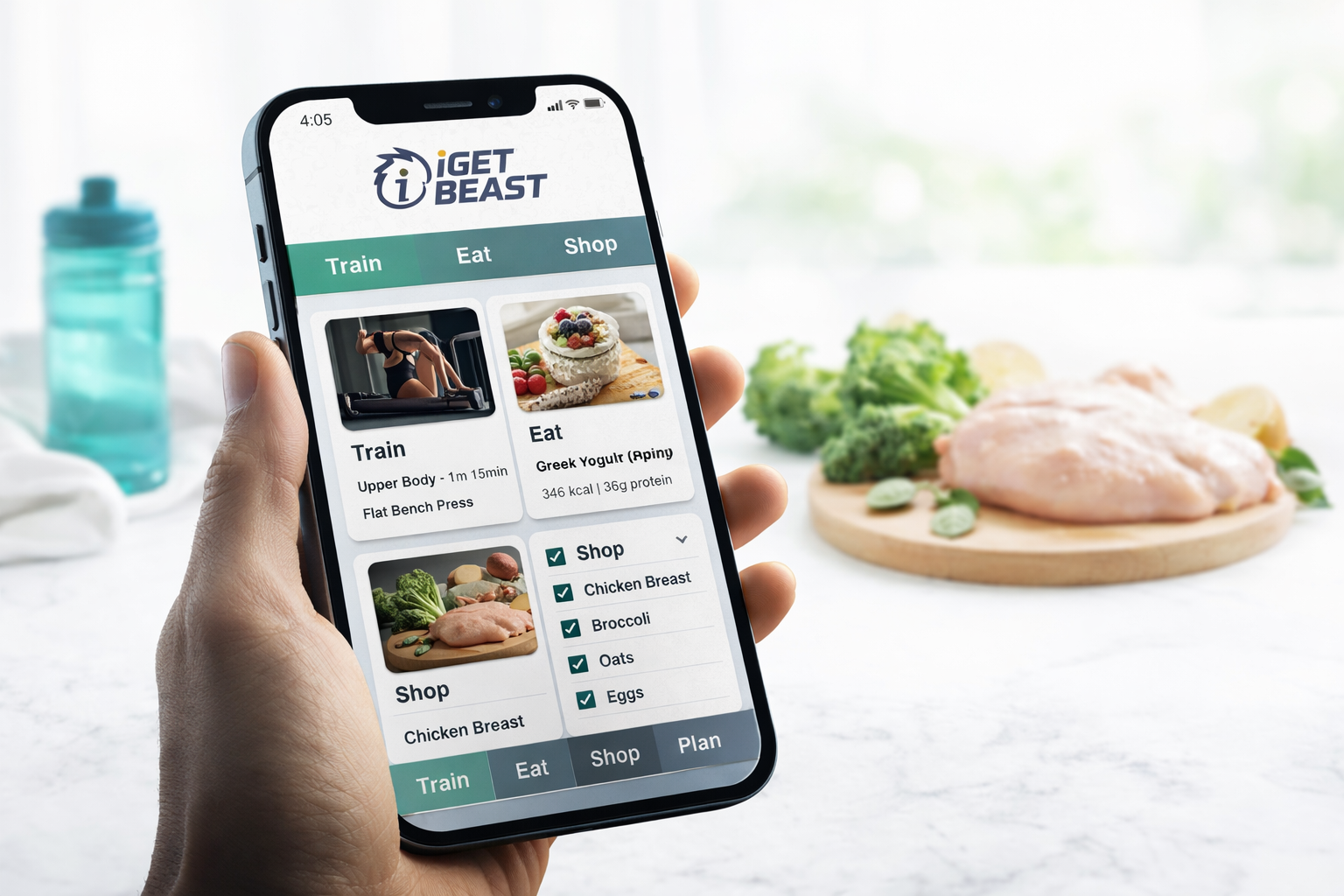
A practical starting point
A useful plan does not start with a list of forbidden foods. It starts with context: what you want to work towards, what your week looks like and which meals are realistic to repeat.
Pick one clear focus, such as more structure, support for training, building muscle or gradual weight change.
Consider working hours, training days, food preferences and the time you actually have for shopping and cooking.
Find a few breakfasts, lunches and dinners you enjoy, then vary the ingredients instead of starting from zero every day.
Notice energy, hunger, training comfort and how practical the plan feels. Small changes are often more useful than a complete restart.
Meal building blocks
A meal can combine several useful roles. Amounts and proportions vary with the person, activity, goal and appetite.
For example fish, eggs, dairy, beans, lentils or lean meat – chosen for your preferences and the meal.
Whole grains, potatoes, rice, pasta, fruit and other sources can provide energy for an active day.
Use colour, seasonal choices and frozen options to make variety easier across the week.
Nuts, seeds, plant oils and other ingredients can add flavour, texture and energy.
Food around training
What is useful around activity depends on intensity, duration, timing and what you have already eaten. Use these three questions as a measured starting point.
A familiar, practical meal may be more useful than experimenting immediately before a session.
For many everyday sessions, water and a normal meal pattern are a sensible starting point. Longer or highly demanding activity may need a more individual plan.
A regular meal that includes fluid, energy and a protein source can make recovery easier to organise.
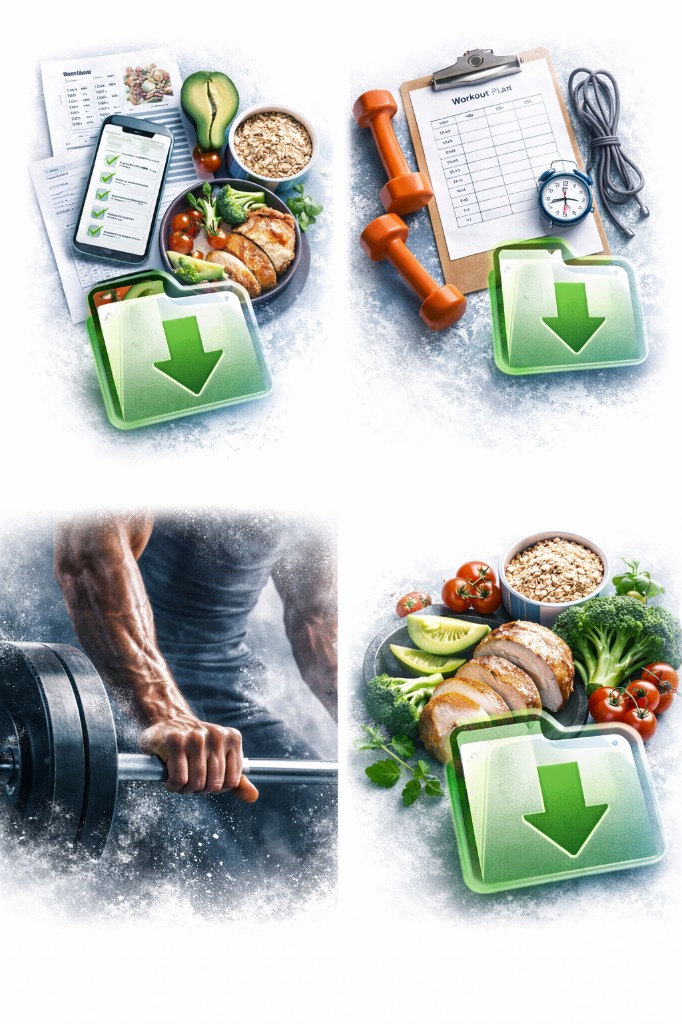
iGETBEAST Nutrition Coach
Nutrition Coach brings goals, preferences and everyday constraints into one digital workflow. It helps you organise meals and shopping alongside your training plan – without presenting general guidance as medical treatment.
Shop with a plan
Choose ingredients that work across several dishes. This reduces last-minute decisions and makes it easier to adjust portions and sides.
Different goals, the same need for structure
Work with meal rhythm, food choices and portions that are possible to maintain. No single food decides the result on its own.
Consider training, total energy, protein sources and recovery together – and give the plan time to work.
Regular meals, accessible food and fewer last-minute choices may be a better first step than complicated rules.
Adapt food and fluid to activity, timing and practical circumstances rather than copying what others do online.
Short glossary
The relationship between energy from food and drink and the energy the body uses over time.
A nutrient that is part of body tissues, among other roles. Protein is found in both animal and plant foods.
An important energy source found in foods including grains, potatoes, fruit, berries and pulses.
Plant carbohydrates that are not fully broken down in the small intestine. Whole grains, vegetables, fruit and pulses are common sources.
Meeting the body’s fluid needs. Activity, temperature and individual differences all influence those needs.
The time and processes between periods of strain, where sleep, food, fluid and training design work together.
Read further
The guide above is general and deliberately measured. For public dietary guidance and more detailed material, use these original sources.
Common questions
No. This page explains a practical planning approach. Individual needs vary, and illness, pregnancy, allergies or other medical circumstances may require guidance from qualified healthcare professionals.
This page does not recommend particular supplements or doses. Start with the overall diet, and seek professional advice if you suspect a deficiency or have specific needs.
It helps you organise a nutrition plan, meal suggestions and a shopping list alongside your goals and training.
iGETBEAST costs NOK 298 per month. The subscription renews monthly and can be cancelled. The payment method available to you is shown during sign-up.
No. iGETBEAST provides general information and digital planning tools, not diagnosis or treatment. Contact a healthcare professional for illness, persistent symptoms or individual medical nutrition therapy.
Ready for less food-planning friction?
Start sign-up when you are ready. You will see the price and terms before confirming a subscription.